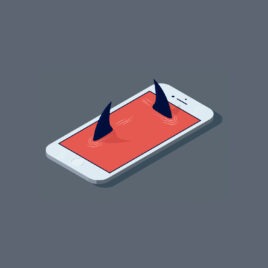
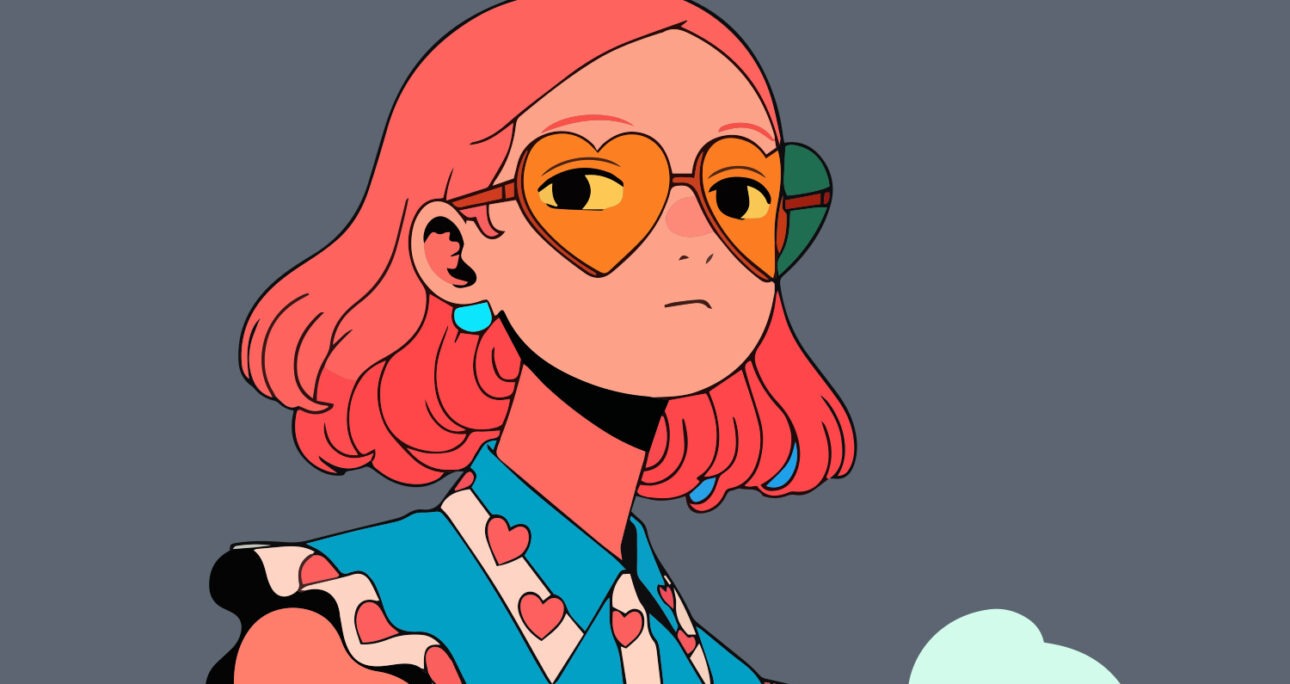
When we speak of Japan and technology, we tend to summon familiar images: glowing vending machines on empty neon streets, humanoid robots bowing with uncanny grace, bullet trains gliding like coded poetry. This image is not false—but it’s incomplete.
And when we talk about Gen Z, especially from a Western perspective, we often assume a hyperactive fluency with digital life: constant broadcasting, micro-branding, infinite scrolls. But in Japan, something else is unfolding—a quieter, more introspective rhythm of digital engagement, and the result is a fascinating paradox: one of the most technologically advanced nations, with one of the most digitally cautious generations. And as a Brazilian communication professional living and working here, I find myself not only witnessing this shift but feeling it echo in my own creative practice.
A Different Kind of Digital Native
In much of the West, Gen Z is often framed as the generation of digital transparency: influencers, vloggers, livestreamers—young people fluent in self-branding, constantly archiving their lives in public. But Japan’s Gen Z moves differently. Here, digital life often flows beneath the surface.
There is connection, yes—but it’s intentionally masked, fragmented, and intimate. Many young people maintain multiple accounts: one “public” and one “real,” known only to close friends. Avatars replace faces. Memes and illustrations speak louder than confessions. Platforms like LINE dominate not because they encourage visibility, but because they allow carefully curated intimacy. Even when TikTok and Instagram are used, the posting style is often more coded, aesthetic, and emotionally restrained.
This is not just stylistic—it’s cultural. The concept of honne (one’s true feelings) and tatemae (the social face) runs deep. Japanese youth grow up learning how to balance inner truth with external harmony. This duality extends into their digital behavior, where the boundaries between self and screen are carefully managed—not blurred.
What emerges is a kind of digital non-performance. One that resists the idea that being online must always mean being on display. It’s a reminder that presence doesn’t have to be performative.
Technology as Companion, Not Spectacle
Japanese design has long favored subtlety over spectacle. From traditional architecture to contemporary product interfaces, there is an aesthetic of calm—of letting function melt into form. This philosophy extends into the digital world.
Tech here doesn’t demand attention. It serves. It assists. It harmonizes.
Take the quiet efficiency of a vending machine that senses your body temperature and recommends a drink, or the almost invisible gesture of paying with a Suica card that works without needing to open an app. These are not gimmicks. They are expressions of a design ethos that values non-intrusiveness—where good design disappears into the flow of everyday life.
In contrast to Western UX, where design often screams for engagement—colorful badges, push notifications, infinite scrolls—Japanese apps tend to trust the user. Platforms like Shinkansen reservation systems, city transport apps, or even digital banking interfaces reflect a deep respect for simplicity, focus, and clarity.
What’s being built here is a kind of ambient technology—tools that serve without overstimulation. They create space instead of consuming it.ty, and non-intrusion.
But is not all flowers and zen, many apps and digital systems are very outdated and doesn’t works properly, but let’s do this talk in another post.
Social Harmony vs. Digital Autonomy
Of course, the relationship between youth and technology in Japan is not all harmony and zen. The flip side of subtlety is pressure. The same platforms that enable quiet connection also enforce invisible rules.
LINE, for instance, is ubiquitous—and with it comes a subtle form of obligation. You’re expected to respond quickly. You’re expected to maintain group cohesion. There are no read receipts you can hide. Delays in response are often read emotionally. Social etiquette seeps into the interface, making it hard to draw boundaries.
Where Western Gen Z may increasingly embrace “Do Not Disturb” culture, Japanese youth often find that opting out isn’t socially acceptable. The collective still outweighs the individual, even in the digital realm.
What’s fascinating—and what we must learn as designers—is how interfaces themselves enforce or challenge these cultural dynamics. UX is never neutral. It either amplifies pressure or softens it. It can create space for autonomy—or erode it.
A Minimalism of Emotion, Not Just Interface
What we often misunderstand about Japanese minimalism is that it’s not just about clean aesthetics—it’s about emotional clarity. Gen Z in Japan isn’t necessarily less emotional than others. They just express differently.
Social media posts are often sparse, poetic, or abstract. Emotions are coded through aesthetics: color palettes, ambient music, emojis used with precision. Stories disappear after 24 hours. Finstas and private Discord groups replace public timelines. These choices reflect a desire not to disappear from digital life, but to reshape the emotional architecture of it.
This is a form of digital minimalism—but not in the Silicon Valley “delete your apps” way. It’s stealthier. It’s emotional. It’s grounded in the desire to create digital spaces that feel safe, soft, and slow.
It asks: What if technology helped us feel more grounded, instead of more stimulated?
Design as Emotional Infrastructure
As I’ve shifted from advertising and graphic design into UX and product thinking, these lessons have become central to my work. Japan has taught me that interfaces are not just functional pathways—they are emotional landscapes.
We talk about “user flows” and “conversion funnels,” but rarely about how a design feels when we’re tired. Or lonely. Or overstimulated. What if we began designing for mental spaciousness? What if calm was not an aesthetic, but a feature?
Gen Z in Japan—through their silence, their careful curation, their boundary-setting—are pointing toward that possibility. They’re not retreating from tech. They’re crafting a new emotional contract with it.
And perhaps, that’s where the future of ethical design lies:
Not in louder buttons, but in quieter choices.
Not in smarter AIs, but in softer interfaces.
Not in capturing attention, but in respecting its fragility.
Final Thoughts
I’m still learning how to speak this language—culturally, professionally, and personally. Living in Japan as a foreign designer, each interface I use becomes a kind of mirror: showing me not just how others live, but how I might design differently.
What Gen Z in Japan offers us is not a trend, but a philosophy. One that blends introspection, care, and cultural depth into the very tools we use. It’s not flashy. It’s not viral. But it’s profoundly human.
And in an age of acceleration, their quiet rebellion whispers a powerful truth:
Design doesn’t have to shout to be heard. Sometimes, it just needs to listen.