
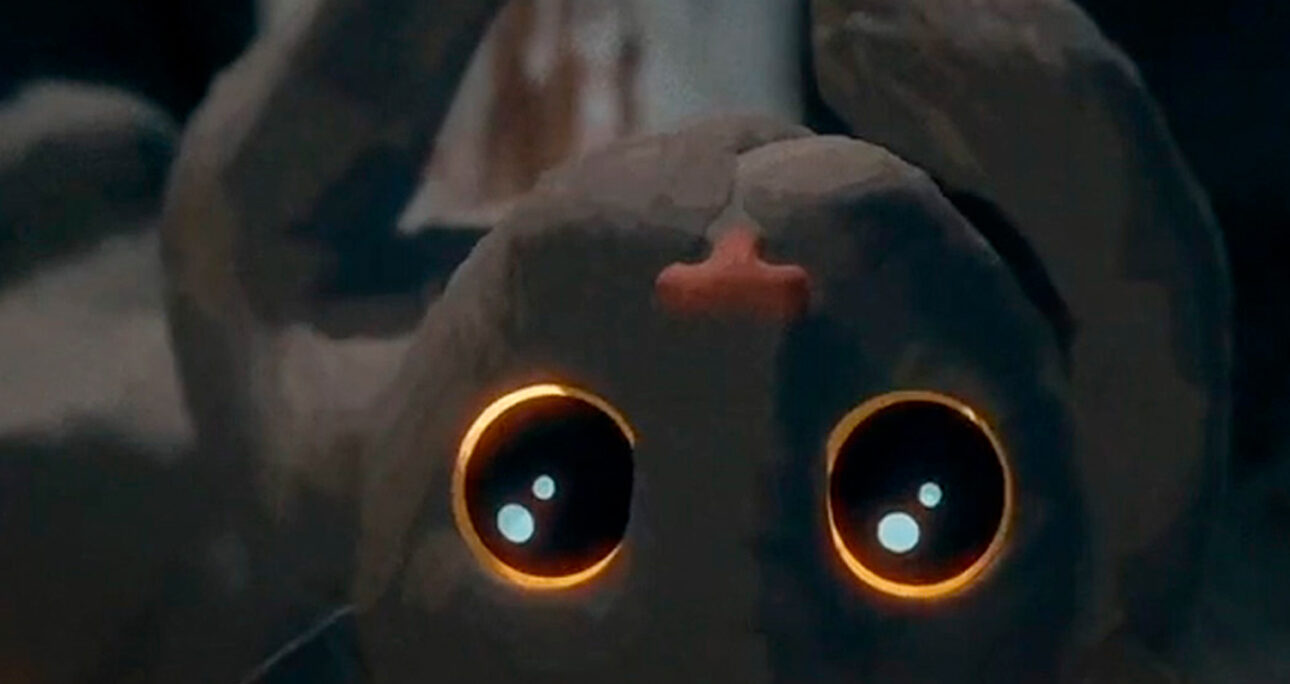
In an industry historically dominated by multimillion-dollar studios and proprietary software, Blender has emerged as an unlikely hero. Once considered a tool for hobbyists, the open-source 3D creation suite is now empowering independent creators to produce world-class animations—and Flow, the Oscar-winning Latvian animated film made entirely in Blender, is the clearest proof of that shift.
✦ Flow: Minimal Resources, Maximum Impact
Directed by Latvian filmmaker Gints Zilbalodis, Flow is a dialogue-free journey told through environmental storytelling and atmospheric design. It chronicles a solitary cat navigating a submerged, post-apocalyptic world—forming uneasy alliances along the way.
Beyond its haunting beauty and emotional depth, what makes Flow historic is how it was made: with a small team, limited resources, and Blender as the central production engine. No licensed Autodesk seats. No proprietary render farms. Just an open-source pipeline and relentless creative focus.
Flow is not just an artistic success—it’s a proof of concept. It shows the world that tools no longer limit storytelling. Talent, vision, and access to flexible technology now drive the future of animation.
✦ Blender’s Disruption: From Guerrilla Tool to Pipeline Backbone
For years, Blender was seen as the “outsider” in the 3D software space—used mostly by indie creators, freelancers, and students. But its evolution has been methodical, community-driven, and remarkably responsive to real production needs. What began as a modest modeling tool now includes:
- Eevee & Cycles: Real-time and path-tracing render engines rivaling commercial standards
- Animation & Rigging Tools: Robust enough for feature-length films
- Compositing, VFX, Video Editing: Entire post-production pipelines, built in
- Python API & Scripting: For automation, plugins, and pipeline integration
- Geometry Nodes & Simulation Systems: Procedural creativity meets control
Blender’s funding model—supported by donations, foundations, and major backers like Epic Games, Nvidia, and Ubisoft—means no paywalls, no licenses, and full ownership of creative output. That makes it especially powerful for studios in emerging markets, educators, and experimental creators.
✦ What Flow Means for the Industry
Flow’s Oscar win wasn’t just a milestone for Latvia or for Gints Zilbalodis. It marked a broader decentralization of creative power:
- Creative Autonomy: No reliance on major studios or corporate infrastructure
- Scalable Production: Small teams using lean pipelines can compete at the highest levels
- Democratized Storytelling: Marginalized voices and diverse aesthetics can reach global platforms
- Software Credibility: Blender now carries not just feature parity—but artistic prestige
For the next generation of animators, Flow is not just an inspiration—it’s a precedent.
✦ A New Standard for Education and Production
Blender is already transforming how animation is taught. Institutions increasingly adopt it as a foundational tool—not only because it’s free, but because it aligns with modern production values: modular, open, and collaborative.
Professional studios are also taking notice. While big players like Pixar or DreamWorks maintain proprietary stacks, hybrid pipelines are emerging. Blender’s ability to integrate via scripting and its constant iteration cycle make it a valuable addition—even for high-end productions.
And in education, the benefits are exponential: access without limitation, rapid iteration, and a direct path from learning to real-world production.
✦ Toward an Open Animation Future
What Blender and Flow represent together is a cultural and technical shift:
- Creative Sovereignty: Artists own their tools, data, and creative direction
- Accessible Excellence: No gatekeeping by budget or location
- Community as Infrastructure: Development, documentation, and support driven by a global, collaborative network
- Sustainability in Creation: Lean pipelines reduce cost and creative waste
This isn’t just about software. It’s about reclaiming the animation process from bloat and bureaucracy—putting it back in the hands of makers.
✦ Final Thoughts: The Laptop Studio Era
Flow’s victory signals the rise of the laptop studio—a production model where flexibility, openness, and storytelling outpace traditional hierarchies. Blender’s role in that transformation isn’t just technical. It’s symbolic.
We’re entering a future where world-class animation can emerge from anywhere, using tools that are free, flexible, and community-powered. Where pipelines can be assembled by artists, not dictated by legacy vendors. And where the heart of animation—emotion, vision, movement—is once again front and center.
In this new era, the next great studio might not have a campus. Just a few creatives, some shared cloud folders, and Blender.